Professional Styling Tips

Master the art of arrangement with these proven techniques used by design professionals

Fundamental Techniques
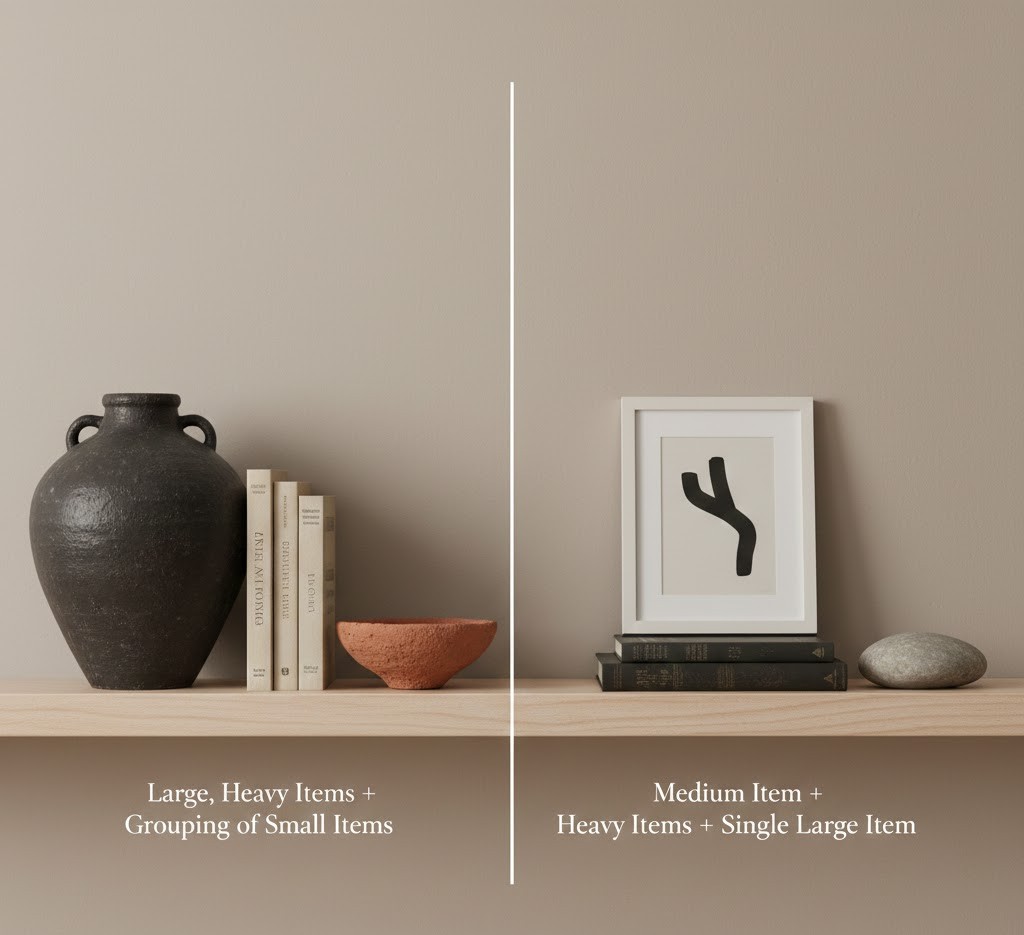
Demonstration of visual weight balance

Visual Weight Distribution

Balance heavier items with lighter ones. Place larger objects on one side and counterbalance with several smaller items on the other. This creates visual equilibrium.
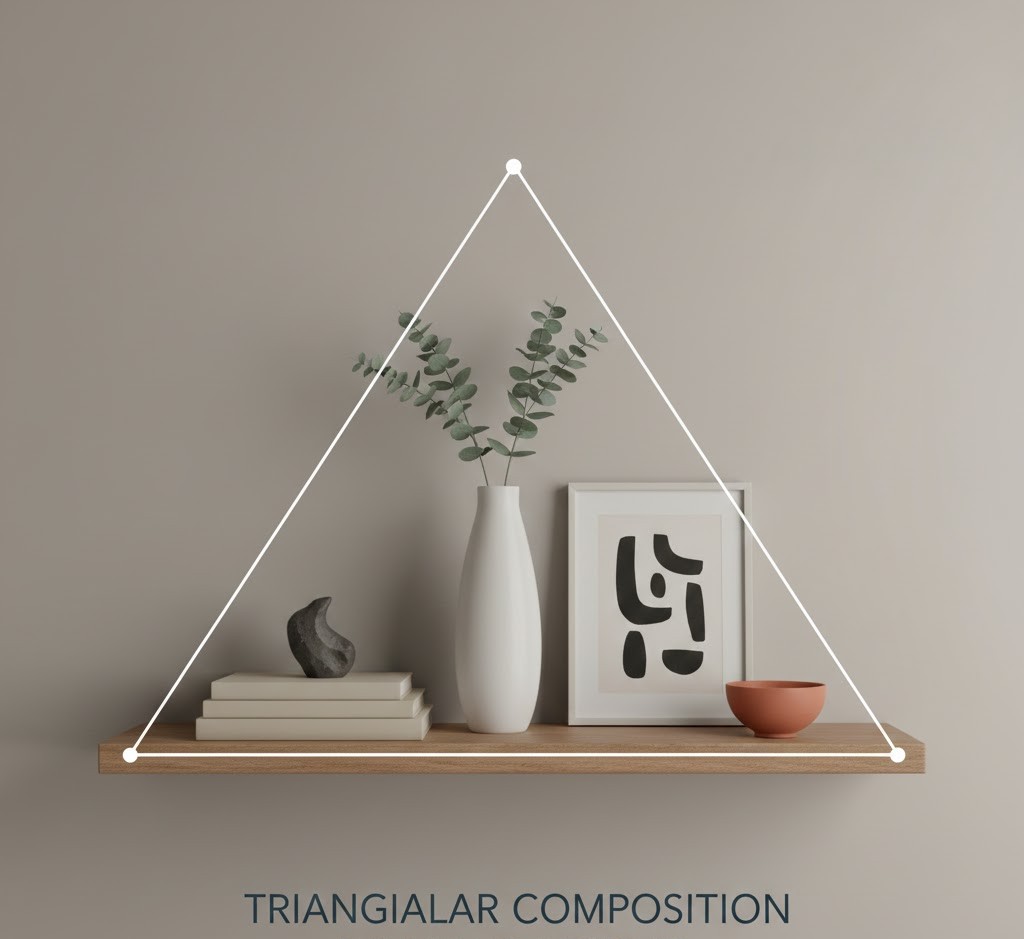
Triangular arrangement on shelf

Triangle Composition

Arrange items in triangular formations. Place the tallest item in the center or to one side, with medium and small items creating the triangle's base and sides.
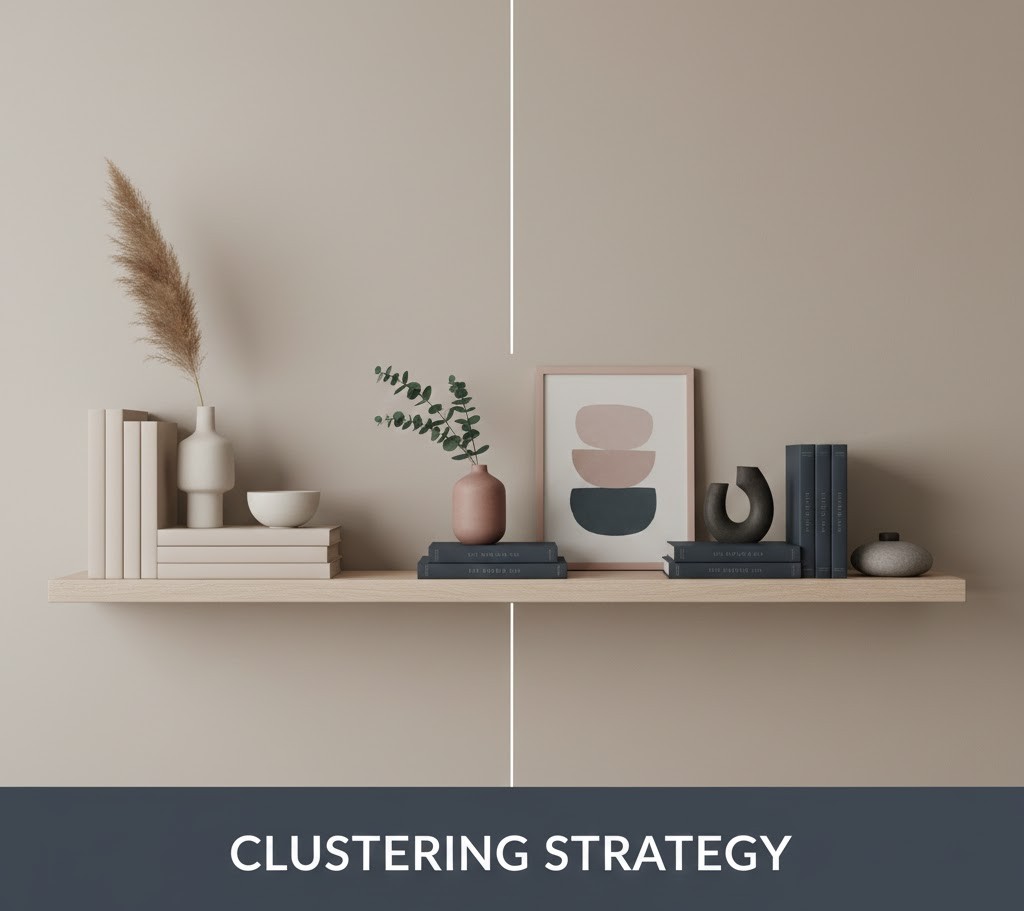
Grouped items by color and size

Grouping Strategy

Group similar items together. Cluster books by color or size, gather decorative objects by theme, and create small vignettes within larger displays.
Color and Texture Principles

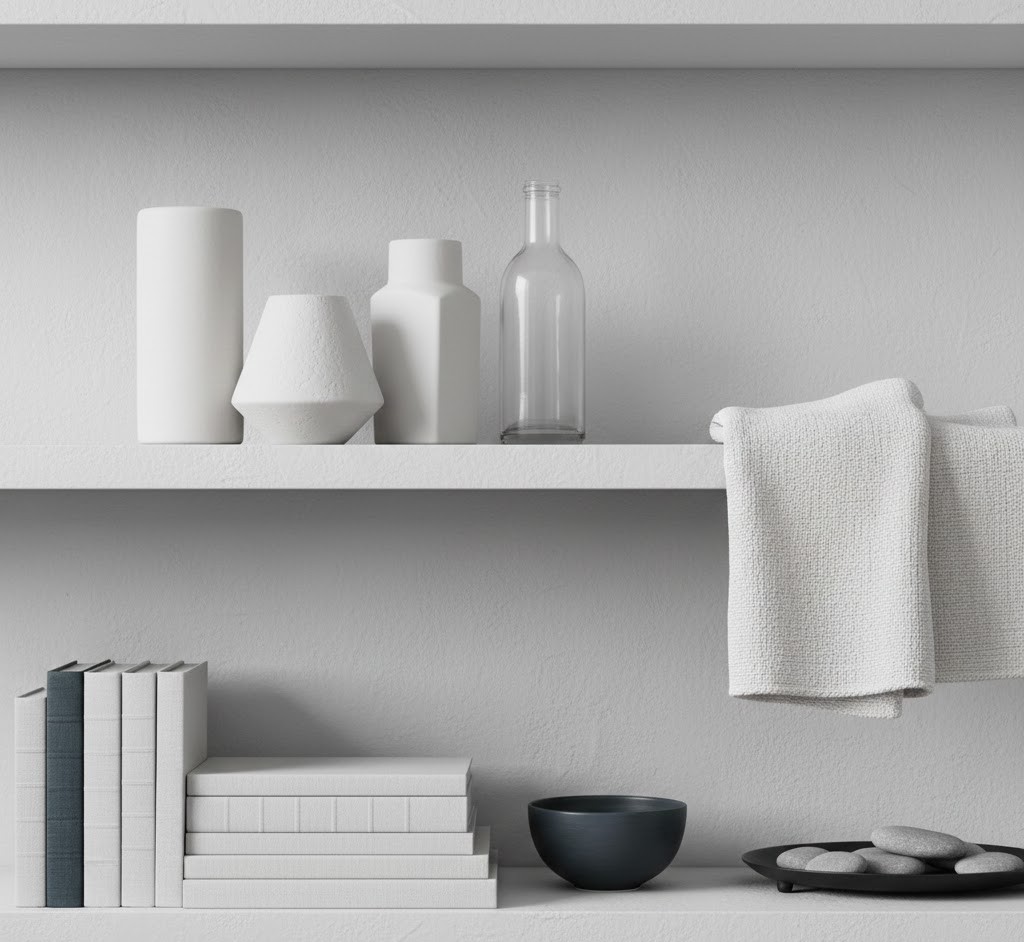
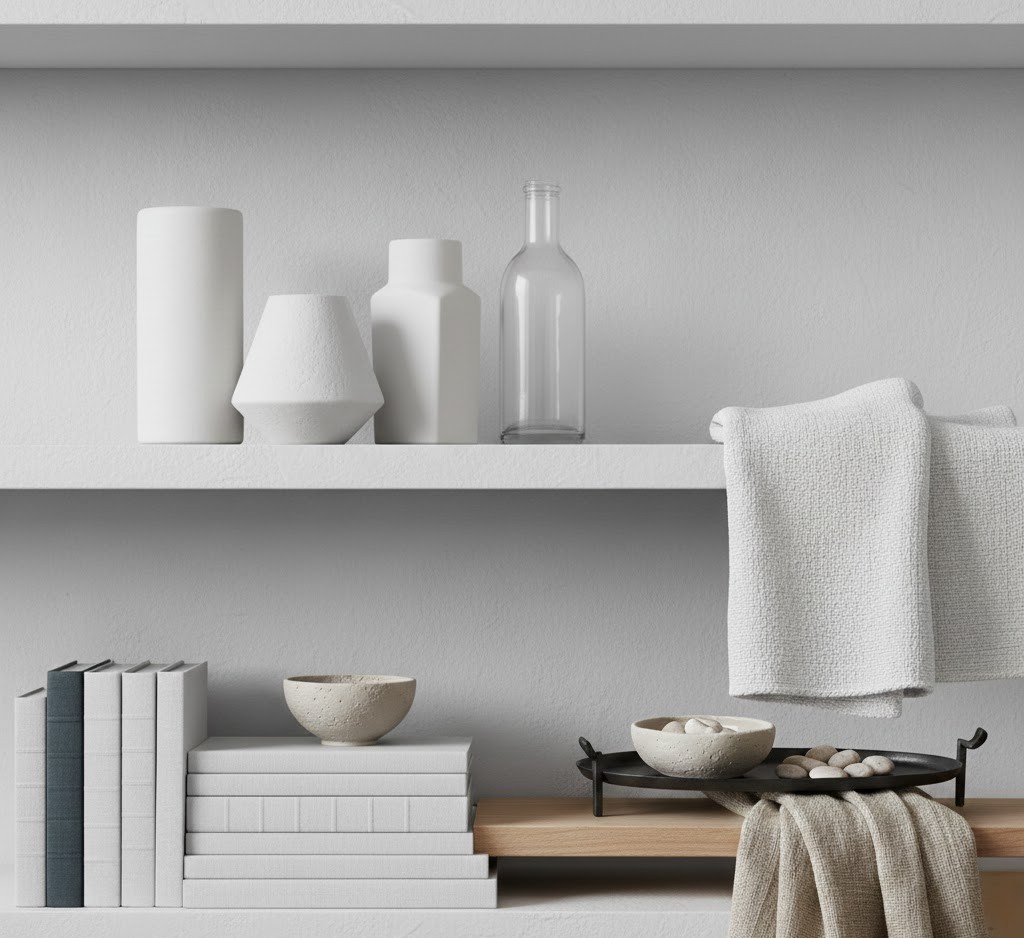
Monochromatic shelf arrangement

Color Coordination

Choose a color palette and stick to it. Whether monochromatic or complementary, consistent colors create cohesion. Add one accent color for visual interest.

Mixed textures on display

Texture Mixing

Combine smooth and rough, matte and glossy, soft and hard. The contrast between textures adds depth and makes your display more engaging to the eye.

Practical Considerations

📏

Proportions Matter

Ensure items are appropriately sized for your shelves. Large items on small shelves look cramped, while tiny objects on large shelves get lost.

💡

Lighting Impact

Consider how natural and artificial light affects your display. Position items to catch light and create shadows that add dimension.

🔄

Regular Updates

Refresh your displays seasonally or when you acquire new pieces. Rotating items keeps your space feeling current and prevents visual fatigue.

🎯

Focal Points

Create one or two focal points per shelf. These eye-catching elements draw attention and give the arrangement a clear hierarchy.

Common Mistakes to Avoid

Overcrowding

Resist the urge to fill every inch. Negative space is as important as the objects themselves. Leave room for the eye to rest.

Ignoring Scale

All items of similar size create monotony. Vary heights and widths to create rhythm and visual interest throughout your display.

Lack of Cohesion

While variety is good, too much randomness creates chaos. Find connecting elements whether through color, theme, or style.

Put These Tips Into Practice

Explore our gallery for inspiration or reach out for personalized guidance

View Gallery Get Help

Privacy Notice

We use cookies and similar technologies to enhance your browsing experience and analyze site traffic. By clicking "Accept", you consent to our use of cookies. You can learn more in our Privacy Policy.